Prophet Hijrah

Abu `Ubaidah is one of the ten Companions who were given the glad tidings of entering Paradise.

Abu Bakr was known for his good, upright nature, honest and truthful. This manner won him the friendship of young Muhammad (pbuh)

The Prophet (Pbuh) stayed in Abu Ayyub's house for almost seven months from the period he entered Madinah until his mosque was completed

Asma’ bint Abi Bakr belonged to a distinguished Muslim family. Her father, Abu Bakr, was a close friend of the Prophet and the first caliph.

The strict honesty of the Prophet was one of the characteristics that led Salman to believe in him and accept Islam.

Al-Bara' ibn Malik Al-Ansari, the brother of Anas ibn Malik, the personal aide of the Prophet (Pbuh). He was a brave and courageous hero.
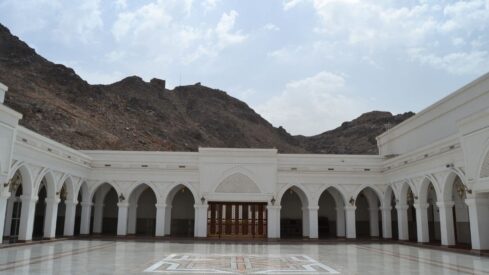
the Prophet (Pbuh) chose Mus`ab to be his "ambassador" to Yathrib to teach a small group of believers who had come to pledge allegiance to Islam.

Ja`far had a very close resemblance to the Prophet, and stayed with his uncle Al-`Abbas until he was a young man.

Mention is often made of the Companions of the Prophet (peace and blessings be upon him). Just who were they and why are they so important? A Companion is anyone, man or woman, who met the Prophet (peace and blessings be upon him)—whether for a short or long period—and who died while still Muslim. Many

History testifies to the unprecedented deeds done by Umar ibn Al-Khattab, from the time he embraced Islam and throughout his life.

The article shows the series of persecutions against Muslims in Makkah, and how the whole thing started.

The Muslim calendar, based purely on lunar cycles, was first introduced by the second Caliph, `Umar ibn Al-Khattab using the event of Hijra

From a historical angle, all of the events and celebrations of Islamic history are recorded in the Hijra Calendar

Indeed, there are many causes behind naming months of the Islamic calendar as such. In what follows we will try to shed some light on some of those causes: 1. Muharram: is named so because the Arabs used to prohibit fighting during it. 2. Safar: is named so because the Arabs used to leave their
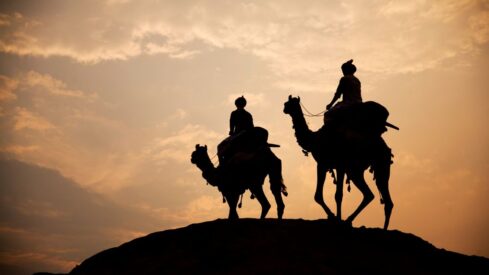
Although Muslims do not actually celebrate the Muslim new year in the way other people celebrate their respective new year, the first day of the lunar month of Muharram is a legal holiday in many Muslim countries.
Part of the lessons learnt from the first Hijra, was the fact that it gave Muslims the opportunity to establish Islam across the globe.

Understanding the system of Mu'akhah (brotherhood) among Muslims in Madinah and how the Prophet successfully established it.
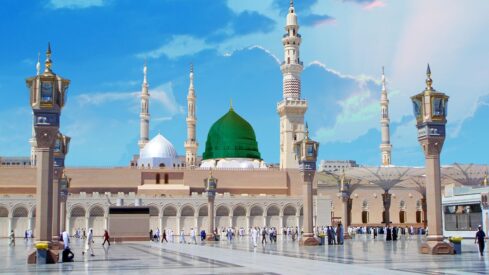
The Ansar did more than open their homes and help the Muhajirun financially. They did more.
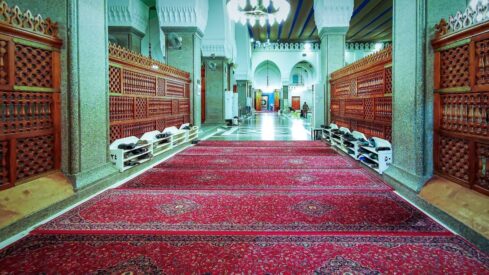
After arriving in Madinah the Prophet (Pbuh) turned his attention to cementing the ties of mutual brotherhood among the Muslims

The brief narration of the Prophets hijrah (migration) to Madinah after getting Allahs permission.
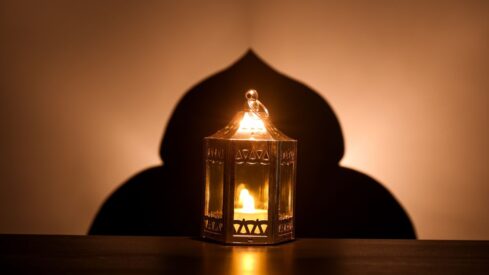
Discover the unwavering commitment to Islamic principles upheld by Prophet Muhammad during & after Hijrah, including core beliefs, rituals, morals, & laws. Learn how to balance fixed teachings with flexible interpretations in modern contexts.

Discover profound lessons & hope in the Hijrah: Prophet Muhammads migration from Makkah to Madinah, shaping Islamic societies & inspiring believers.
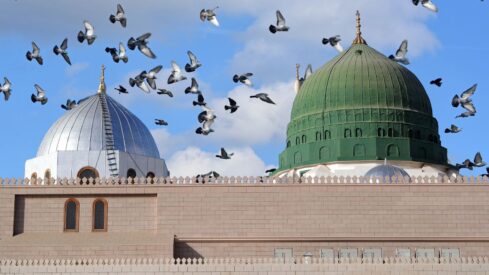
Part of lessons taught from the hijrah (migration) of the Prophet Muhammad to Madinah is the hijrah of hearts.
Top Reading
Search Powered by Fanar AI
