 |
|
The
agreement was preceded by two days of wrangling (AFP)
|
BAGHDAD,
March 1 (IslamOnline.net & News Agencies) – Iraq's
U.S.-appointed Governing Council Monday, March 1, reached agreement on
the draft of a temporary national constitution.
The
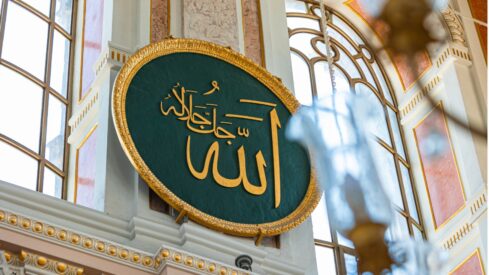
draft charter recognizes Islam as a source of the legislation rather
than the only source, and stipulates that no laws will be passed
against this religion, the BBC correspondent said on air from Baghdad.
The
document - called the transitional administrative law - will apply
only until an elected government is in place, BBC reported.
It
came after a few days of wrangling over such issues as the Islamic
law, the status of Kurdish areas and women's rights.
The
council missed a deadline for laying down the draft two days ago,
raising speculations of wide disagreement among the members.
The
draft document is not expected to be signed until Wednesday, March 3,
after the end of the Shiite religious holiday of Ashura.
'Classic
Compromise'
Participants
in the talks said the law recognized Islam as Iraq's official religion
and said it would be a source of legislation but not the primary
source, as had been demanded by some Shiite Muslims, the sect that
makes up 60 percent of Iraq's population.
A
spokesman for Council member Ahmed Chalabi claimed that there was
agreement among all Council members that Iraq would not be an Islamic
state.
"The
language was put in such a way not to offend the Islamic identity of
most of the people but nor to offend the other side and give the
impression that's an Islamic state," Entifadh Qanbar said.
Qanbar
said a lot of "creativity and alternative" language had been
used to be enable a consensus to be reached.
The
BBC correspondent called this agreement a "classic
compromise", given the disagreements that marked the council's
meetings and U.S. insistence that Islam should not be the main source
of legislation.
U.S.
administrator in Iraq Paul Bremer must approve the final document,
much to the consternation of many Iraqis hoping an end to occupation
of their oil-rich country.
Bremer
said Monday, February 16, he will
not allow Islam to be the main source of law in Iraq, warning
that he could veto the country's temporary constitution if it did not
fit the "American vision" of democracy.
"Our
position is clear, and the text that is in there now is as I say. It
can't become law until I sign it," Washington’s strong man has
said during a visit to a women's center in Karbala.
During
discussions on Friday, February 27, several Shiite members of the
Council walked out, angered by the cancellation of a previous ruling
that would have made divorce and inheritance subject to the rulings of
religious law, according to Reuters.
Federal
State
Qanbar
said although in principle the draft accepted the concept of a federal
state, the question of self-rule for the Kurdish minority would only
be decided finally by a future elected national assembly.
The
draft agreement had also set aside 25% of the seats in the provisional
legislature for women, he added.
IGC
members and U.S. occupation officials say the interim constitution may
end up offering general guidelines, but leave the details on the
biggest and thorniest issues for the writers of a permanent charter,
the BBC News Online said.
That
is meant to be drafted by an elected assembly which should suit the
majority Shiite community.
The
document said that elections should be held by late 2004 or early
2005. The U.S.'s initial plan was for elections by the end of 2005.